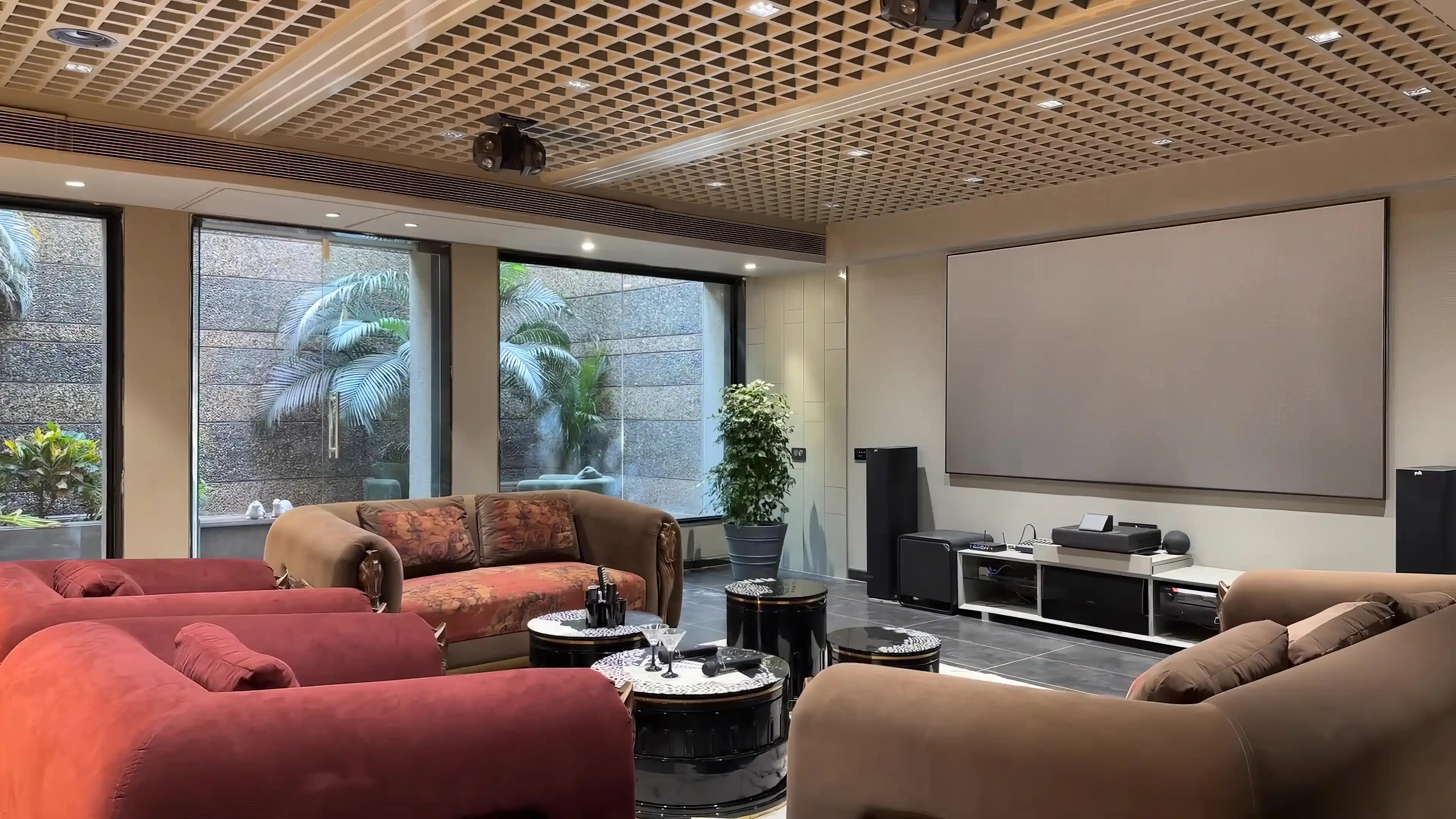

Simple Elegance A Minimalist Living Space
The Allure of Less: Embracing Minimalism
Minimalist living isn’t about deprivation; it’s about intentionality. It’s about surrounding yourself with only what brings you joy and serves a purpose. It’s a conscious decluttering of both physical possessions and mental clutter, creating a space that feels calm, peaceful, and refreshingly simple. This approach fosters a sense of clarity and allows you to focus on what truly matters in life, beyond the accumulation of material goods.
A Neutral Palette: Setting the Stage for Serenity
A minimalist aesthetic often centers around a neutral color palette. Think soft whites, creamy beiges, gentle grays, and muted earth tones. These colors create a sense of calm and spaciousness, allowing the few carefully chosen pieces of furniture and décor to truly shine. Bold pops of color can be strategically introduced through artwork, textiles, or plants, adding personality without overwhelming the space.

Streamlined Furniture: Functionality Meets Aesthetics
In a minimalist home, every piece of furniture has a specific purpose. Avoid unnecessary clutter by opting for multifunctional pieces and sticking to only what you truly need. Clean lines, simple shapes, and high-quality materials are key. A comfortable sofa, a sleek dining table, and perhaps a carefully chosen armchair can form the foundation of a stylish and functional living space. Think quality over quantity; investing in durable, well-made pieces is more sustainable in the long run.
Natural Light and Airy Spaces: Maximizing the Sense of Openness
Maximize natural light by keeping windows unobstructed. Sheer curtains or blinds can provide privacy while allowing light to flow freely. Mirrors strategically placed can also help to enhance the sense of spaciousness, reflecting light and creating a feeling of greater depth. Good ventilation is also crucial; a well-ventilated space feels cleaner, brighter, and more inviting.
Strategic Use of Texture and Materials: Adding Depth and Interest
While minimalism prioritizes simplicity, it doesn’t mean it has to be devoid of texture and visual interest. Introduce warmth and depth through natural materials like wood, linen, wool, and stone. A linen throw draped over a sofa, a wooden coffee table, or a stone-topped side table can add layers of texture and visual interest without disrupting the overall minimalist aesthetic. These natural materials also create a more inviting and comforting atmosphere.
The Power of Negative Space: Letting the Air Breathe
One of the most important principles of minimalist design is the intentional use of negative space. This means leaving empty space between furniture and decorative objects, allowing each piece to breathe and preventing the room from feeling cluttered. Negative space creates a sense of calm and openness, making the room feel larger and more inviting. This mindful approach to arranging furniture and décor is crucial for achieving a truly minimalist aesthetic.
Minimalist Décor: Carefully Curated Details
Decorative elements should be carefully selected and kept to a minimum. Choose a few meaningful pieces that reflect your personality and style. This could include a piece of art you love, a few well-chosen plants, or a collection of interesting books. Avoid accumulating knick-knacks or items that don’t serve a purpose or bring you joy. Remember, less is often more when it comes to creating a visually appealing and peaceful minimalist space.
Plants and Nature: Bringing the Outdoors In
Incorporating plants into your minimalist space can add life, vibrancy, and a connection to nature. Choose a few low-maintenance plants that thrive in your living space. The green foliage can add a calming element and break up the neutral color palette subtly. Think of strategically placing a large plant in a corner or a few smaller plants on a shelf to create pockets of visual interest and add a touch of the organic to your space.
Personal Touches: Injecting Individuality
While minimalism focuses on simplicity, it’s important to remember that your space should still reflect your unique personality and style. Don’t be afraid to incorporate personal touches that make the space feel truly yours. A favorite photograph, a cherished book, or a piece of handmade pottery can add warmth and character without compromising the overall minimalist feel. It’s about curating your belongings to reflect what is meaningful to you.
Maintaining the Minimalist Lifestyle: An Ongoing Process
Minimalist living isn’t a one-time project; it’s an ongoing process of conscious decision-making and decluttering. Regularly evaluate your belongings and donate or discard anything that no longer serves a purpose or brings you joy. This ongoing commitment helps to maintain the sense of calm and clarity that minimalist living provides, ensuring that your space continues to feel both beautiful and functional. Visit here for information about minimalist interior design living rooms.