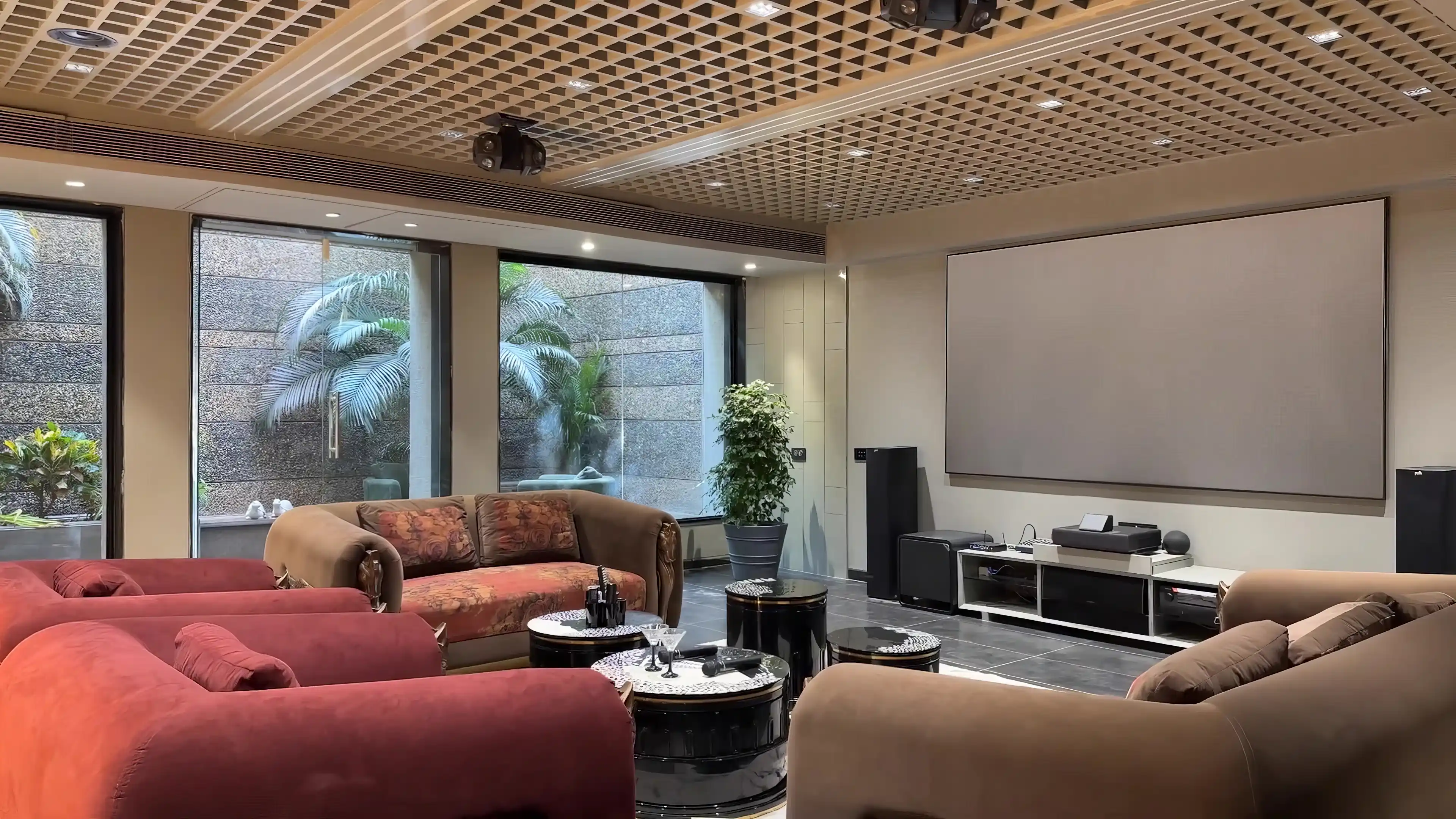

Organic Minimalism Nature Meets Modern Design
The Allure of Natural Materials
Organic minimalism isn’t just a design trend; it’s a philosophy. At its heart lies a deep appreciation for natural materials and their inherent beauty. Think warm, unbleached woods like oak and ash, the subtle texture of linen, the cool smoothness of unpolished stone. These materials possess a tactile quality that mass-produced items often lack, inviting a deeper connection with the space and a sense of calm. The beauty lies in their imperfections – the unique grain of the wood, the subtle variations in stone color – imperfections that speak to the authenticity of nature itself. This contrasts sharply with the often sterile perfection of purely minimalist designs.
Blending Nature’s Palette with Modern Aesthetics
While embracing natural materials is key, organic minimalism doesn’t shy away from modern aesthetics. Clean lines, simple forms, and a focus on functionality remain central. The key is finding the balance – the gentle curve of a wooden chair leg complementing the straight lines of a minimalist shelving unit, the rough texture of a stone countertop contrasting with the sleekness of stainless steel appliances. This juxtaposition creates a dynamic tension, a conversation between the organic and the geometric, resulting in a space that is both inviting and sophisticated.

Light and Space: Essential Elements
Light is paramount in organic minimalist design. Large windows, skylights, and strategically placed mirrors maximize natural light, highlighting the textures and colors of the natural materials. This abundance of light creates an airy, spacious feel, even in smaller rooms. The focus is on creating an uncluttered environment where light can flow freely, enhancing the sense of calm and serenity. Minimizing visual clutter is crucial; fewer objects mean more light and a greater feeling of openness.
The Importance of Functionality and Purpose
Organic minimalism is not about sacrificing functionality for aesthetics. Every piece of furniture, every decorative element, should serve a purpose. This mindful approach prevents the accumulation of unnecessary items, contributing to the overall sense of order and tranquility. Multifunctional furniture is particularly valuable, maximizing space and minimizing visual clutter. For example, a cleverly designed sofa bed can serve as both seating and sleeping space, while a coffee table with built-in storage provides a practical solution for keeping belongings organized.
Color Palette: Earthy Tones and Natural Hues
The color palette in organic minimalist design is generally muted and earthy. Think creamy whites, soft greys, warm browns, and subtle greens – colors inspired by nature itself. These neutral tones create a calming backdrop that allows the natural textures and materials to take center stage. Pops of color can be introduced sparingly, perhaps through a vibrant piece of artwork or a textured throw pillow, but these accents should complement the overall neutral scheme rather than overwhelm it. The aim is to create a harmonious and balanced color scheme that promotes relaxation and well-being.
Plants: Bringing the Outdoors In
Incorporating plants is a crucial element of organic minimalism. Houseplants not only add visual interest but also purify the air and contribute to a healthier living environment. Their natural forms and textures seamlessly blend with the other organic elements in the space. A variety of plant sizes and shapes can be used to create visual interest, from a large statement piece in a corner to smaller succulents on a shelf. The greenery adds life and vitality to the space, bridging the gap between the indoors and the outdoors.
Sustainability and Ethical Sourcing
Organic minimalism extends beyond aesthetics; it embraces a commitment to sustainability and ethical sourcing. Choosing materials that are sustainably harvested and manufactured is crucial. This includes looking for certifications such as FSC (Forest Stewardship Council) for wood products and ensuring that furniture is made using environmentally friendly processes. By making conscious choices about the materials we use, we can minimize our environmental impact and contribute to a more sustainable future. This commitment extends to the longevity of the items chosen, favoring quality over quantity.
Creating a Sanctuary: The End Goal
Ultimately, organic minimalist design aims to create a sanctuary – a space that is both aesthetically pleasing and deeply restorative. It’s a design philosophy that encourages us to slow down, appreciate the beauty of simplicity, and connect with the natural world. By carefully selecting natural materials, prioritizing functionality, and embracing a mindful approach, we can create a home that is not only beautiful but also promotes well-being and a sense of calm in our often chaotic lives. Click here to learn about organic minimalist interior design.