
Building Successful MaaS Mobility as a Service Platforms
Learn to build successful MaaS (Mobility as a Service) Platforms. Gain real-world insights into integration, user experience, and operational strategies for urban mobility.
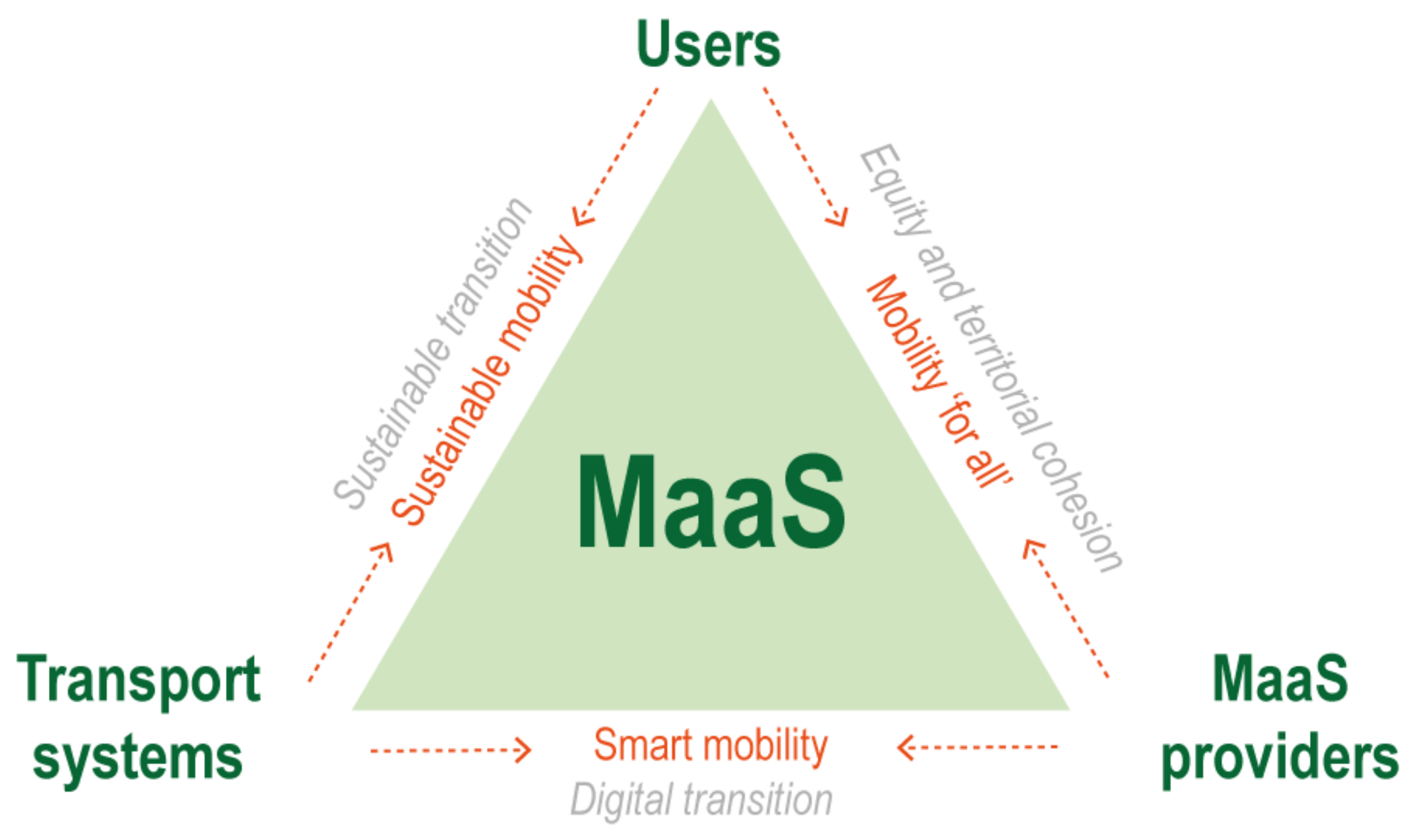
Building effective mobility solutions requires more than just good ideas; it demands practical execution and a deep understanding of complex ecosystems. Our experience in this field shows that successful MaaS (Mobility as a Service) Platforms hinge on blending technology with genuine user needs and robust partnerships. It’s about creating seamless journeys, not just aggregating services. This involves careful planning, iterative development, and constant adaptation to market dynamics.
Overview
- Successful MaaS (Mobility as a Service) Platforms prioritize a user-centric design, focusing on convenience and accessibility for all.
- Deep integration with various transport providers, including public and private options, is fundamental.
- Robust technological backends support real-time data processing, secure payments, and dynamic trip planning.
- Effective stakeholder engagement and public-private partnerships are crucial for regulatory alignment and operational efficiency.
- Scalability and adaptability are key for long-term growth and responding to evolving urban mobility demands.
- Data privacy and security must be embedded into the platform’s core architecture from the start.
The Core Principles of Successful MaaS (Mobility as a Service) Platforms
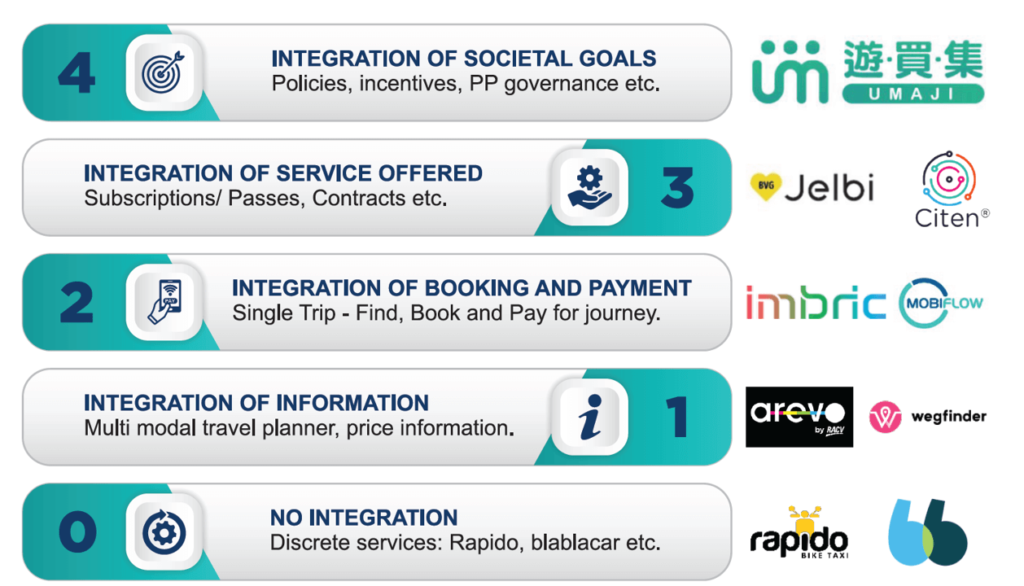
At the heart of any thriving MaaS (Mobility as a Service) Platforms lies an unwavering focus on the user. We’ve learned that convenience is paramount. Users expect simple access to diverse transport options, from public transit and ride-sharing to bike rentals and micro-mobility. A single interface should allow planning, booking, and payment, eliminating friction. This requires intuitive design and clear information display.
Pricing models are another critical element. Flexibility, transparency, and fairness build user trust. We’ve experimented with subscription models, pay-as-you-go options, and hybrid approaches. The optimal model often depends on local market conditions and user demographics. Accessibility for all user groups, including those with disabilities, must be a core design principle, not an afterthought. Reliability in service delivery and real-time information accuracy maintains user loyalty.
Technological Integration for MaaS (Mobility as a Service) Platforms
The technical backbone of any mobility service aggregation is complex. Our work consistently involves building systems that can communicate with disparate transport providers. This means leveraging robust APIs and adhering to common data standards where possible. Real-time data streams for vehicle locations, schedules, and availability are essential. Without accurate, up-to-the-minute information, user confidence erodes quickly.
A secure and reliable payment gateway is non-negotiable. It must handle various transaction types, including one-off payments and recurring subscriptions. Data privacy and cybersecurity protocols need to be architected into the system from day one, not bolted on later. Compliance with data protection regulations, like GDPR or CCPA in the US, is a continuous effort. Effective backend infrastructure supports analytics and demand forecasting, helping to optimize service provision.
Operational Challenges and Partnerships
Launching and sustaining MaaS (Mobility as a Service) Platforms involves significant operational hurdles. One major challenge is stakeholder management. We engage with city councils, public transport operators, private mobility companies, and even local businesses. Each entity has unique objectives and operational constraints. Building consensus and aligning incentives requires skilled negotiation and clear communication.
Regulatory frameworks vary widely by region, creating a patchwork of requirements. Understanding and adapting to these local rules is crucial. For instance, specific licensing might be needed for certain transport modes. Public-private partnerships are often the most effective route to market, especially for integrating public transit seamlessly. These collaborations can pool resources, share risks, and provide necessary legitimacy. Data sharing agreements, which define how information flows between partners, are complex but vital for platform functionality.
Scalability and Future Adaptability
For any mobility solution to truly succeed, it must be built for growth and change. Our platforms are designed with modularity in mind. This allows us to add new transport modes, expand into new geographic areas, or introduce novel features without a complete system overhaul. Starting small, proving the concept, and then scaling incrementally has been a successful strategy. This approach helps manage costs and risks.
The mobility landscape is constantly evolving. Autonomous vehicles, electric micro-mobility, and even air taxis are emerging. A successful platform must be able to integrate these future modes gracefully. Furthermore, leveraging artificial intelligence and machine learning can help predict demand patterns, optimize routing, and personalize user experiences. Focusing on sustainability goals, like reducing congestion and emissions, aligns platforms with broader urban planning objectives. This forward-looking perspective ensures long-term relevance and impact.


